
L'impact de la pollution lumineuse
La pollution lumineuse est un phénomène auquel la plupart d'entre nous ne prêtons pas vraiment attention, car elle nous semble inoffensive. Une rue éclairée, une fenêtre illuminée ou un panneau publicitaire lumineux paraissent normaux. Mais pour de nombreux animaux, notamment les pollinisateurs, la lumière artificielle bouleverse tout. Ils ont autant besoin d'obscurité que de nourriture, et lorsque la nuit n'est jamais totalement noire, leur rythme biologique est complètement perturbé.
De nombreux insectes utilisent l'alternance du jour et de la nuit pour savoir quand se nourrir, se reposer ou chercher un partenaire. Lorsque les villes restent éclairées toute la nuit, leur horloge biologique est perturbée. Certaines espèces, comme les papillons de nuit, s'orientent normalement grâce à la lune et aux étoiles. Au lieu de cela, elles sont attirées par les lampadaires et finissent par tourner autour jusqu'à épuisement. Au matin, il leur est trop tard pour se nourrir ou polliniser. Ce phénomène se produit à grande échelle chaque nuit.
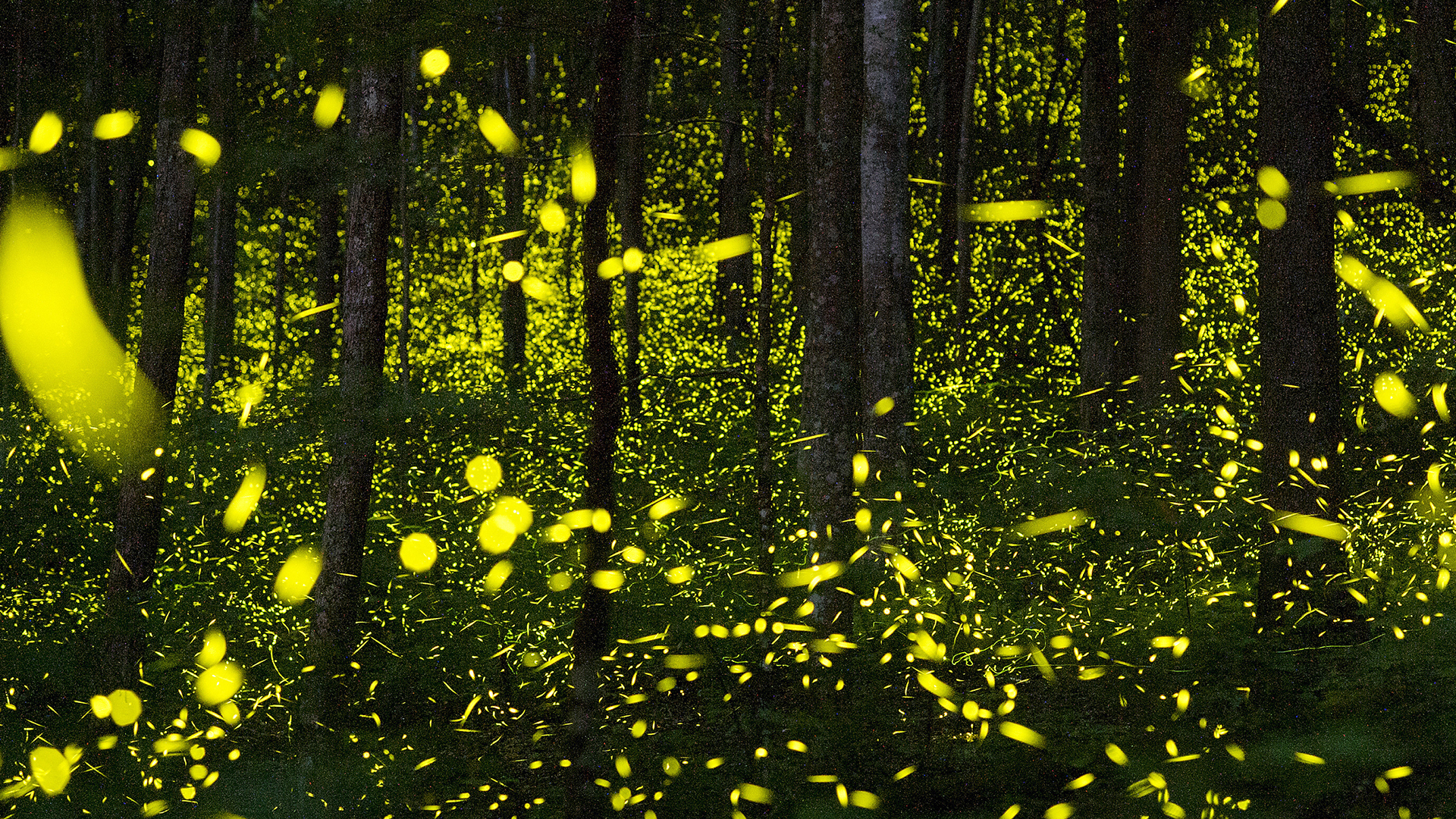
La pollinisation nocturne est également affectée. Tous les pollinisateurs ne sont pas actifs le jour. Certaines fleurs ne s'ouvrent que la nuit et dépendent des papillons de nuit ou des chauves-souris pour transporter le pollen. Lorsque la lumière artificielle inonde les parcs, les bords de route et les jardins, ces pollinisateurs évitent ces lieux ou ne parviennent pas à trouver les fleurs. Moins de visites signifient moins de graines et une reproduction végétale affaiblie.
La pollution lumineuse perturbe également l'orientation. Les oiseaux et les insectes migrateurs nocturnes peuvent se désorienter et se retrouver piégés en ville, où les risques sont bien plus élevés. L'équilibre entre prédateurs et proies est lui aussi bouleversé, car les zones éclairées facilitent le repérage des insectes par les prédateurs, qui resteraient normalement cachés.
La bonne nouvelle, c'est que ce problème est parmi les plus faciles à résoudre. Les villes peuvent utiliser des lampadaires protégés orientés vers le bas, des ampoules à lumière plus chaude et des détecteurs de mouvement qui n'allument la lumière qu'en cas de besoin. Même de petits changements contribuent à créer des voies plus sombres et plus sûres pour les pollinisateurs et autres animaux sauvages.
En laissant la nuit s'éteindre à nouveau, même un court instant, nous offrons aux animaux quelque chose d'essentiel. C'est un moyen simple de rendre les villes plus accueillantes pour la nature qui œuvre discrètement autour de nous.


