


Canada’s Wildflowers: A Love Letter to the Land
Everywhere you go in Canada, there is a story written in petals. Along the edges of fields, on quiet forest paths, beside highways, and across the wide open Prairies, wildflowers bloom as if the land itself were breathing color. They do far more than decorate the landscape. They feed the bees and butterflies that keep our world alive, they hold the soil together, and they remind us that beauty and balance often grow hand in hand.

Walk through a meadow in July and you will see the bright faces of Black-eyed Susans turning toward the sun. Their golden petals catch the light, and bees seem to know exactly where to land. Not far away, the soft lavender of Wild Bergamot fills the air with a gentle scent. Bumblebees and hummingbirds move between the blossoms, wings buzzing like a summer song.

Later in the season, you might find yourself surrounded by a sea of yellow as Canada’s Goldenrod takes over the landscape. Many people mistake it for the cause of their sneezes, but Goldenrod is blameless. It stands tall at the end of summer, feeding hundreds of pollinators and helping the earth recover wherever the soil is thin or tired.
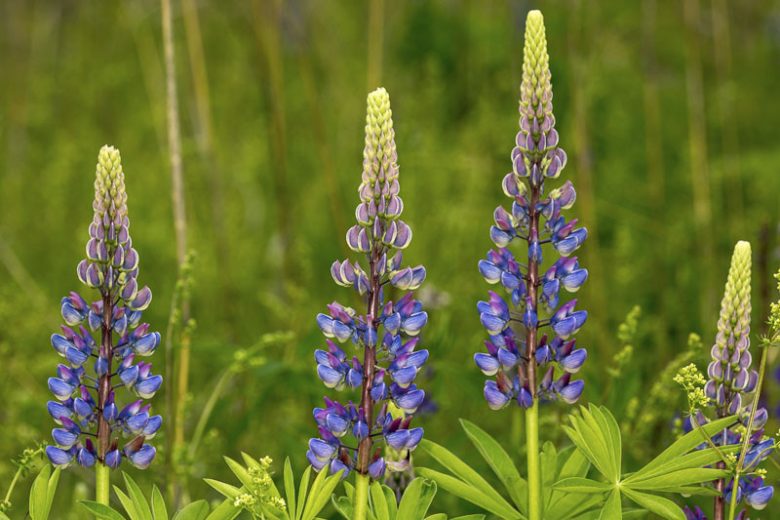
On sandy ground, Wild Lupines bloom in blue and violet waves. They enrich the soil and create a home for butterflies like the fragile Karner Blue. In the dry prairie wind, the Prairie Coneflower sways, its drooping petals and raised brown heart catching the sun. It is one of those flowers that thrive where others cannot, and yet it still gives so much back, offering food for bees, color for the eye, and hope for the land.
When the forests burn and everything looks lost, Fireweed is the first to return. Its tall pink stems rise from the ashes, turning devastation into a promise of renewal. And when the year begins to cool, the Asters arrive, scattering shades of purple and white across the fields, feeding bees that are almost ready to rest for winter.
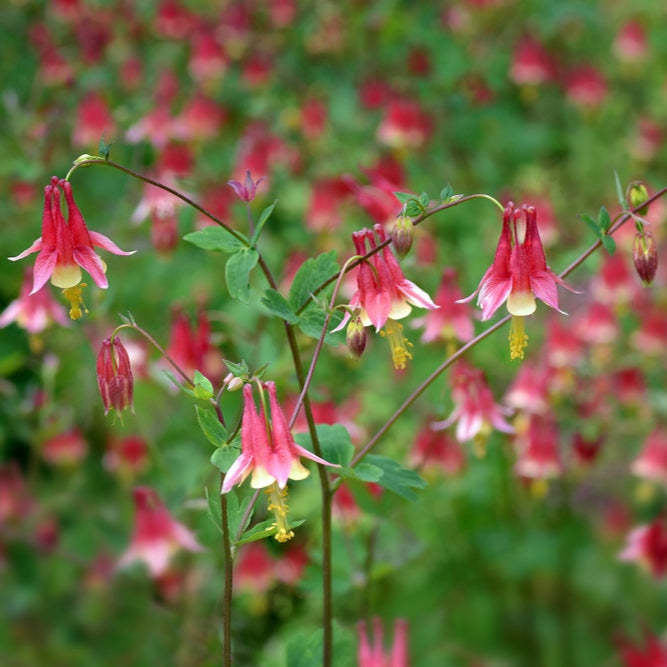
In shaded places, Wild Columbine hangs its red and yellow bells, waiting for hummingbirds to visit. Near the water, Blue Vervain stands tall, its violet spikes alive with butterflies. And of course, there is Milkweed, the quiet hero. Every Monarch butterfly begins its life there, depending entirely on this single plant for survival.
All these wildflowers tell a story of patience, resilience, and quiet generosity. They have learned to live through cold winters, short summers, and shifting climates. They ask for very little and give back so much.
When we create our seed bombs, we think of these flowers and the world they belong to. Each one holds the potential to bring life back where it has faded, a bit of color, a source of food for a bee, a home for a butterfly. You do not need a garden or special tools. Just curiosity, a patch of soil, and a wish to see something grow.
Planting native wildflowers is a way of saying thank you to the land. Every bloom is a small act of care. Every flower helps keep Canada’s natural beauty alive, not just for us, but for all the creatures that share it.


0 commentaires